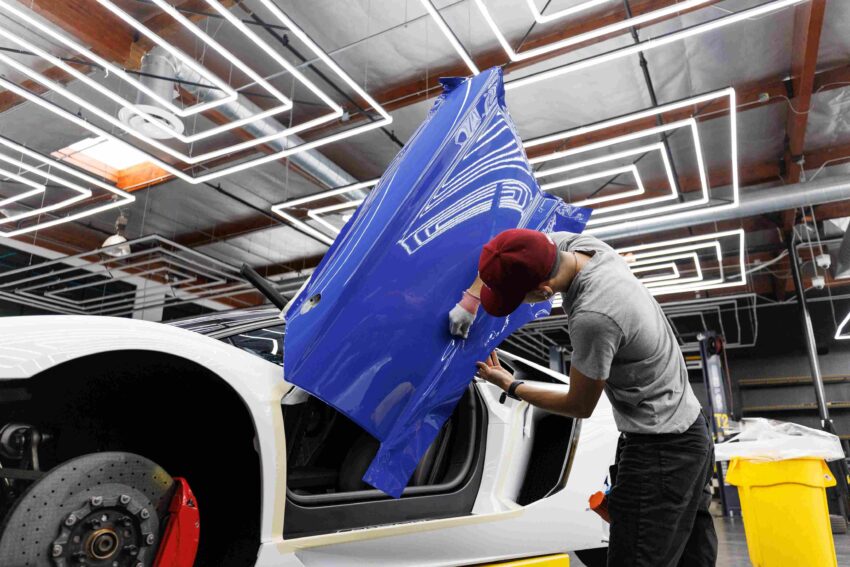
A car’s paint is exposed to stone chips, road debris, minor scratches, and insect residue during everyday driving. Over time, these can affect the vehicle’s exterior and overall appearance. Car protection film adds a transparent layer over painted surfaces to help reduce some of this damage. However, choosing the right product is only part of the process. Proper installation also plays an important role in achieving a neat finish.
Understanding the Role of Paint Protection Film
Car protection film is a transparent layer applied to a vehicle’s painted surfaces to help protect them from common road hazards and minor abrasions. Depending on the coverage selected, it can protect areas such as the bonnet, front bumper, side mirrors, and door panels.
Its main purpose is to reduce the impact of everyday exposure on the paintwork. Some films also offer additional features, such as self-healing properties that help minimize the appearance of minor surface marks.
When considering paint protection for your vehicle, keep these points in mind.
- Surface protection helps reduce stone chips and road debris damage.
- Paint appearance keeps the original paint visible.
- Coverage options let owners protect selected panels or larger areas.
At Al Emad Auto, vehicle owners can explore suitable options based on their car’s condition, driving habits, and protection needs. However, the final result also depends on how carefully the film is installed.
Why Professional Car Protection Film Installation Matters
Even a quality product may not deliver the desired result if it is applied incorrectly. Dust trapped underneath, uneven edges, and poor alignment can affect the film’s appearance and adhesion. Professional installation helps address these issues through careful preparation and precise fitting.
The following factors explain why proper installation matters.
Proper Surface Preparation
Before putting the film on, the car’s paint needs a good clean. Dust or dirt left on the surface can get trapped underneath and become visible once the film is applied. It’s also important to check the paint for any existing scratches or damage.
Before applying the film, the installer should:
- Remove dirt and dust from the paint.
- Check for scratches or damaged areas.
- Make sure the panels are clean and ready.
This helps the film sit properly against the paint and gives it a cleaner finish.
Precise Application Around Curves and Edges
Some parts of a car are harder to cover with protection film than others. Bumpers, side mirrors, and door edges have curves and corners that need extra attention. If the film isn’t fitted properly, you may notice uneven edges, wrinkles, or bubbles.
To get a neat finish, the installer needs to:
- Fit the film around curved panels.
- Keep the edges straight and tidy.
- Avoid bubbles, wrinkles, and uncovered spots.
The film also needs to be cut carefully to avoid scratching the paint underneath.
Appearance and Aftercare
Correct installation helps the film sit neatly against the painted surface while providing the intended coverage. Some products also feature self-healing properties that can minimize the appearance of minor surface marks, depending on their specifications.
After installation, suitable maintenance helps keep the film in good condition. Vehicle owners should follow the installer’s care instructions, including:
- Using recommended cleaning products.
- Avoiding harsh chemicals.
- Taking care when using high-pressure water near film edges.
Al Emad Auto can help vehicle owners understand suitable protection options and their maintenance requirements.
Selecting the Right Coverage
Not every vehicle needs full-body coverage. The right choice depends on driving habits, budget, and which panels are most exposed to road debris.
Before choosing car protection film, consider these factors:
- Frequent highway travel and flying debris.
- The bonnet and front bumper, which face greater exposure.
- Door panels and side mirrors that may need protection.
- Your budget and preferred coverage area.
Al Emad Auto can help assess these factors so vehicle owners can choose coverage that suits their requirements.
Conclusion
To wrap up, car protection film can help keep your car’s paint looking good for longer, especially if you drive regularly and deal with stone chips or road debris. But getting the film fitted properly is just as important as choosing the right one. Poor fitting can leave bubbles or uneven edges that spoil the look of your car. If you’re considering car PPF, get in touch with Al Emad Auto to discuss your options and find what works best for your vehicle.